Pharmaceutics & drug delivery
Explore how medicines are developed into dosage forms, the factors that affect their performance and the principles behind pharmaceutical manufacturing.
 Loading pageLoading page
Bachelor of Pharmacy
Explore the science of medicines, from drug formulation to pharmaceutical research.
Your course
B.Pharm explores medicines from several perspectives: how they are designed and formulated, how they act in the body, how their quality is assessed and how they reach patients. Across the four-year degree, students develop a broader scientific understanding of pharmacy alongside analytical, practical and communication skills. It can provide a foundation for different parts of the pharmaceutical sector, further study or pharmacy practice, subject to the qualifications and registration required for each role.
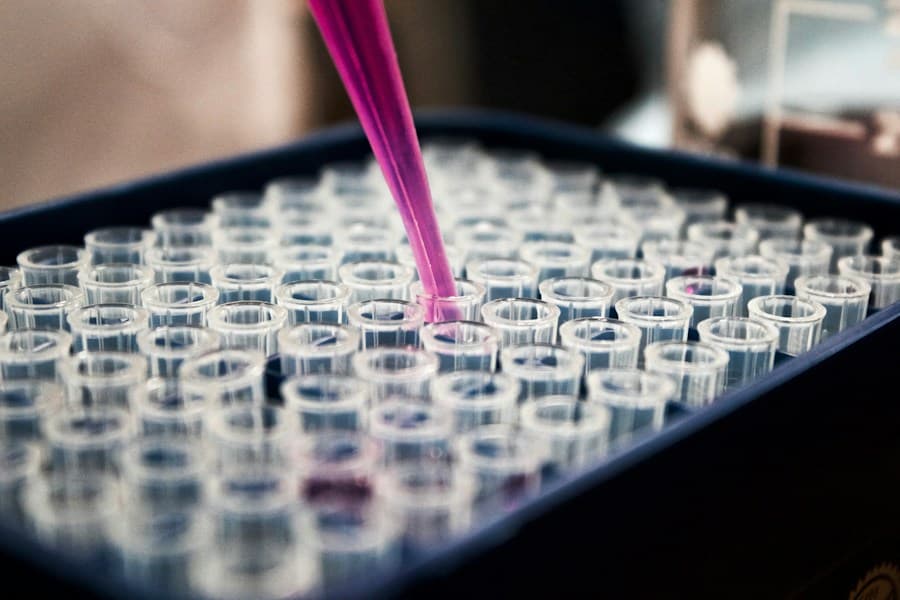
This route may suit students who enjoy chemistry and biology and want to explore both healthcare and the science behind pharmaceutical products. It involves sustained theoretical study, practical work, calculations and careful interpretation of results, rather than a single narrow job track.
Inside the course
An introduction to the subject areas commonly covered in this pharmacy pathway.
Explore how medicines are developed into dosage forms, the factors that affect their performance and the principles behind pharmaceutical manufacturing.
Connect chemical structure with medicinal properties, and study the chemical principles that support the development and understanding of drug substances.
Study medicine action in biological systems, therapeutic uses, adverse effects and the evidence needed to understand benefits and risks.
Learn the principles of testing and measurement used to identify substances, assess purity and evaluate the quality of pharmaceutical materials.
Explore natural sources of medicines and biological approaches relevant to pharmaceutical science, connecting traditional sources with modern methods.
Examine quality systems, pharmaceutical legislation, professional ethics and the responsibilities involved in producing and supplying medicines.
This is a general study guide, not the college's official syllabus. Subject names, sequence, practical hours and assessments follow the current approved curriculum. Request the syllabus for your admission batch from the college.
Learning & development
Beyond the qualification
Explore where your interests and further preparation could take you.
Explore entry-level opportunities supporting pharmaceutical manufacturing and formulation operations. Specific roles depend on technical skills, employer training and recruitment criteria.
Analytical knowledge and careful documentation are relevant to testing laboratories and quality systems. Employers may expect familiarity with particular instruments or procedures.
Some graduates pursue roles supporting safety case processing, regulatory documentation or clinical research operations, often with additional role-specific training.
Options may include registered pharmacy practice, pharmaceutical sales or product support. Practice roles require applicable registration; commercial roles have their own employer requirements.
These are potential pathways, not placement or salary guarantees. Eligibility depends on the role, employer, further training and applicable regulations. Pharmacy practice requires the relevant registration and compliance with current rules.
Fees & payments
Fee information for B.Pharm, session 2026-27.
Contact admissions for the official fee structure, any additional charges, payment schedule and refund policy before making a payment.
Take the next step
Discuss your qualifications with the admissions team. Confirm current eligibility, approved intake, required documents and application dates before applying.
Share your previous qualifications and completion status. Ask which subject requirements and current admission rules apply to your chosen course.
Check the current approval, affiliation, intake, syllabus and full fee structure. Ask about additional charges, payment terms and refund conditions.
Request the confirmed document checklist and selection process. Verify dates and submission instructions directly with admissions before applying or paying.
Before you decide
No. The degree covers a range of pharmaceutical science areas relevant to manufacturing, analysis, quality, safety and commercial work as well as pharmacy practice. A degree does not guarantee a particular role; additional skills, registration or training may be needed.
Pharmacy education combines theoretical learning with practical study. Ask the college for the current approved syllabus, practical schedule, assessment pattern and any project or training requirements for your admission batch.
Postgraduate study may allow you to focus on areas such as pharmaceutics, pharmacology or pharmaceutical analysis. Available programmes and admission requirements vary, so plan around the institutions and specialisations you want to pursue.
Explore further
Build a foundation in pharmaceutical terminology, chemistry, human biology and calculations before moving into more specialised areas.
Study formulation, medicine action and analytical methods together, using practical work to understand how scientific principles are applied.
Use advanced study and any curriculum-prescribed project or practice requirements to identify areas for employment or postgraduate study. Confirm the current structure with the college.