Pharmaceutics
An introduction to dosage forms, pharmaceutical calculations, preparation methods and the safe handling and storage of medicines.
 Loading pageLoading page
Diploma in Pharmacy
Build your foundation in pharmaceutical science, drug dispensing and patient care.
Your course
D.Pharm is a diploma pathway into the study and responsible use of medicines. It introduces how medicines are prepared, stored and dispensed, alongside the human biology needed to understand their effects. The emphasis is on building a sound foundation for pharmacy practice: accurate work, clear communication and an understanding of professional responsibilities. The two-year academic programme should be considered alongside the practical-training, examination and registration requirements that apply to your admission batch.
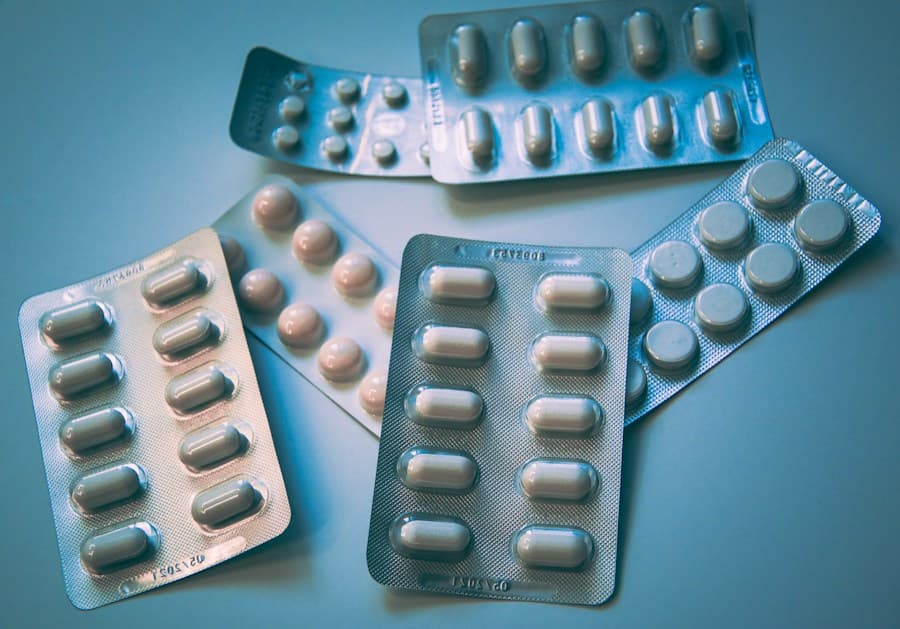
Consider this pathway if you are interested in a practice-focused introduction to pharmacy, enjoy science and want to understand how pharmacy services support patients. Attention to detail and a willingness to follow safety procedures are as important as remembering scientific facts.
Inside the course
An introduction to the subject areas commonly covered in this pharmacy pathway.
An introduction to dosage forms, pharmaceutical calculations, preparation methods and the safe handling and storage of medicines.
Explore the chemical nature of medicinal substances, their properties and the basic principles used to identify and assess them.
Understand the body's major systems and their normal functions, providing a foundation for studying disease and medicine use.
Learn how medicines act, why they are used, and how adverse effects, interactions and precautions influence responsible pharmacy practice.
Study medicines and pharmaceutical materials from natural sources, including their identification, characteristics and uses.
Explore prescription handling, patient communication, medicine supply, public health and the ethical and legal responsibilities of pharmacy services.
This is a general study guide, not the college's official syllabus. Subject names, sequence, practical hours and assessments follow the current approved curriculum. Request the syllabus for your admission batch from the college.
Learning & development
Beyond the qualification
Explore where your interests and further preparation could take you.
Registered pharmacists may work in retail or community settings, supporting dispensing, medicine supply and patient guidance within the permitted scope of practice.
Hospital roles can involve dispensing, stock control and medicine distribution. Registration, recruitment criteria and experience requirements vary by employer.
Explore support roles involving stock records, expiry monitoring, storage conditions and supply coordination with pharmacies or pharmaceutical distributors.
Product knowledge and communication skills can be relevant to sales or customer-support roles. Employers may require additional training and field experience.
These are potential pathways, not placement or salary guarantees. Eligibility depends on the role, employer, further training and applicable regulations. Pharmacy practice requires the relevant registration and compliance with current rules.
Fees & payments
Fee information for D.Pharm, session 2026-27.
Contact admissions for the official fee structure, any additional charges, payment schedule and refund policy before making a payment.
Take the next step
Discuss your qualifications with the admissions team. Confirm current eligibility, approved intake, required documents and application dates before applying.
Share your previous qualifications and completion status. Ask which subject requirements and current admission rules apply to your chosen course.
Check the current approval, affiliation, intake, syllabus and full fee structure. Ask about additional charges, payment terms and refund conditions.
Request the confirmed document checklist and selection process. Verify dates and submission instructions directly with admissions before applying or paying.
Before you decide
No. Academic completion and professional registration are separate. Check the practical-training, examination and registration conditions applicable to your batch with the relevant authorities and State Pharmacy Council before planning to practise.
D.Pharm provides a diploma-level foundation with a strong focus on pharmacy practice. B.Pharm is a broader degree programme covering pharmaceutical science, analysis, formulation and related industry areas. The right choice depends on your eligibility, time commitment and goals.
A lateral-entry route may allow eligible D.Pharm graduates to enter the second year of B.Pharm. Ask admissions to confirm recognition of your diploma, the current selection process and available seats.
Explore further
Connect basic chemistry and human biology with the terminology, calculations and dosage forms used in pharmacy.
Bring together medicine action, dispensing principles and community or hospital pharmacy concepts through study and practical work.
Confirm the practical training, assessments and any applicable exit examination requirements, then check the process for State Pharmacy Council registration.